Why Yes Embroidery Design Review
As an experienced designer and embroidery product reviewer, I've spent time evaluating the Why Yes machine embroidery design for real project use. This SVG file is marketed as a creative outlet for those with chronic illness or pain, but I'm curious how it performs in practical applications like custom apparel, handmade products, and commercial embroidery projects.
A First Look at Why Yes
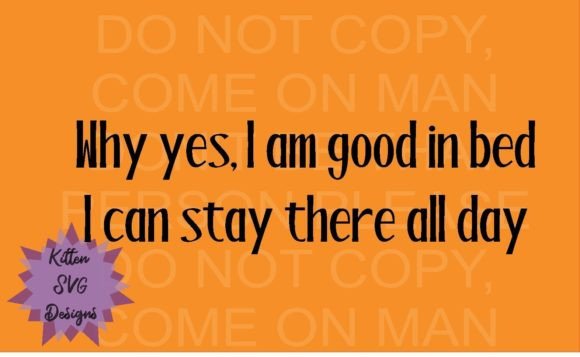
The first impression of Why Yes is bold and expressive. It carries a strong visual personality that leans into its theme—something that feels both personal and empowering. The layout is clean, and the detail level suggests it’s designed to be recognizable even at smaller sizes. However, the overall mood is more conceptual than literal, which makes me think about where this design would fit best.
Visually, it has a modern edge with a slightly abstract feel. The shape and composition suggest it would work well on larger surfaces, like tote bags or sweatshirts, where the design can breathe and stand out. It doesn't have the kind of intricate detailing that would translate well to small hoop sizes or delicate fabrics, so I’m keeping that in mind for potential use cases.
Real-Life Scenario: Custom Embroidered Tote Bag
Let’s imagine preparing a custom embroidered tote bag using Why Yes. As a designer, I’d start by testing the design on scrap fabric to see how the stitch density and thread colors play out. The design has a good balance of fill stitches and running stitches, which should make it look dynamic without being too dense.
If I were creating a personalized gift for someone with a chronic illness, this design could serve as a meaningful and empowering statement. The contrast between the design and fabric would be key here. On a light-colored tote bag, the design stands out beautifully. But on dark fabric, I'd need to check if the thread color provides enough visibility. A white or bright thread might be necessary to maintain clarity.
For a handmade product like a tote bag, the design's simplicity and boldness would add character without overwhelming the piece. It would also appeal to customers looking for something unique and expressive, especially for holiday gifts or boutique branding.
Where to Use Why Yes Carefully
While Why Yes looks great on larger items, there are some limitations to consider. For example, it may not be ideal for small hoop sizes or curved surfaces like caps or hats. The design’s layout and detail level might get lost or distorted when scaled down.
Textured fabrics or stretchy materials could also pose challenges. The design relies on clear lines and shapes, so any fabric texture might interfere with the stitching clarity. Additionally, thin or dark fabrics require careful consideration of thread color and stabilizer use to ensure the finished product looks professional.
If used on layered garments or products that need frequent washing, the design should be tested for durability. High stitch density areas might cause puckering over time, especially if proper stabilizers aren’t used.
Design Impact and Practical Notes
When considering Why Yes for a project, I think about how it affects the visual appeal and customer engagement. This design adds a layer of personality and meaning to any handmade product. Whether it's a custom sweatshirt for a client or a personalized gift for a friend, the design brings a sense of recognition and empowerment.
For Etsy sellers or craft business owners, Why Yes could be a valuable addition to their design assets. It fits well with themes around self-expression and resilience, making it a great fit for niche markets. However, it's important to test the design thoroughly before selling finished items or digital products. Confirming licensing terms and ensuring the design works across different fabric types and hoop sizes is essential.
Some practical embroidery designer notes include:
- Test the design on scrap fabric first to see how it behaves with different thread colors and fabric textures.
- Check stitch density to avoid issues with fabric puckering or distortion.
- Confirm hoop size requirements to ensure compatibility with your equipment.
- Inspect small details to make sure they remain clear after stitching.
- Use proper stabilizer for dark or stretchy fabrics to maintain the design's integrity.
- Review light and dark fabric backgrounds to ensure the design remains visible and impactful.
Overall, Why Yes is a versatile and expressive design that can elevate a wide range of embroidery projects. From custom apparel to handmade products, it offers a unique way to convey personality and emotion through stitchwork. Just be mindful of its limitations and test it thoroughly before finalizing any project.