Same Side Embroidery Design Review
A First Look at Same Side
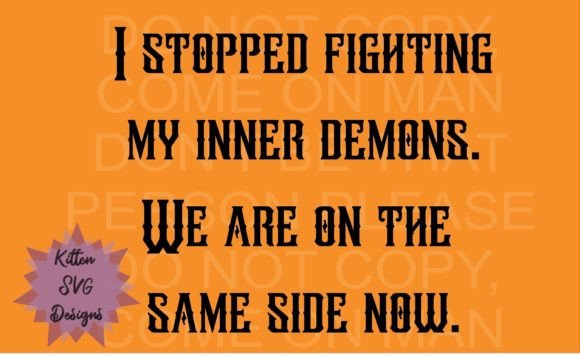
When I first opened the Same Side embroidery design, it immediately struck me as a piece that carries emotional weight. The theme of chronic illness and pain is not often tackled in embroidery, which makes this design stand out. It has a raw, honest feel that speaks to those who live with ongoing health challenges. The layout is minimalist but impactful, using strong lines and subtle shading to convey both struggle and resilience.
The visual personality of Same Side feels like a personal statement—something you'd see on a custom sweatshirt or tote bag meant to express identity and experience. It’s not overly complex, but it has enough detail to feel intentional. This makes it a good fit for handmade products that aim to be both meaningful and visually balanced.
Real-Life Use: Custom Embroidered Tote Bag
Let’s imagine using Same Side on a custom embroidered tote bag. As someone who designs for Etsy sellers and small shops, I know how important it is for a design to look good from a distance but also hold up under scrutiny. On a tote bag, especially one made from canvas or denim, Same Side would sit well. Its bold shape and clear outlines would translate nicely into a stitched form without losing its message.
I can see this design working particularly well on a large hoop size, allowing the details to breathe. If placed centrally on the bag, it could become a conversation starter. However, if used on smaller items like a patch or cap, the design might lose some of its impact unless scaled carefully.
For a tote bag, the fabric texture and stabilizer choice would be key. A heavier stabilizer would help maintain the integrity of the stitch density, especially if using satin or fill stitches to highlight certain areas of the design. Thread color contrast is also something to consider—especially if the final product is intended for dark fabrics.
Where to Use Same Side with Caution
While Same Side is a strong design, there are scenarios where it may not shine as brightly. For instance, on very small hoop sizes or curved surfaces like caps, the design might appear cramped or distorted. Similarly, on stretchy fabrics like knits or thin materials, the stitching could pull or distort over time, especially after frequent washing.
If you're planning to use this on layered garments or products that require frequent laundering, it's essential to test the design on scrap fabric first. Testing will help ensure that the stitch density and thread colors work well with the fabric texture and won’t cause puckering or fraying.
Also, if you're considering Same Side for detailed corners or tiny lettering, keep in mind that these elements may not render clearly when stitched, depending on the hoop size and machine settings. Always review the digital embroidery file for any potential issues before moving forward with production.
Visual Appeal and Customer Impact
The visual appeal of Same Side lies in its ability to communicate emotion through simplicity. It’s not just a graphic—it’s a statement. When applied to handmade products, personalized gifts, or boutique merchandise, it adds depth and meaning that customers can connect with.
This kind of design can elevate the value of your finished product, making it more than just a decorative item. It becomes a symbol of solidarity and understanding, which is especially powerful in niche markets like chronic illness communities or wellness-focused craft businesses.
For Etsy sellers and craft business owners, using Same Side in your product line can help build customer trust and loyalty. It shows that your brand understands the needs and experiences of your audience, which is crucial for creating a sense of community and recognition.
Embroidery Designer Notes
Before using Same Side in any real project, here are a few practical steps to take:
- Test on scrap fabric to see how the design looks and feels when stitched.
- Check thread color contrast against different fabric backgrounds—light, dark, and neutral.
- Review stitch density to ensure it doesn't overwhelm the fabric or create unnecessary bulk.
- Confirm hoop size requirements and adjust the design accordingly.
- Inspect small details and make sure they translate well when stitched.
- Test in black and white mockups to evaluate how the design works in different lighting conditions.
- Use proper stabilizer to prevent distortion and maintain the integrity of the design.
Always check the licensing terms before selling any finished items or digital products that include Same Side. While the design is downloadable as an SVG, it's important to confirm whether it's suitable for commercial use and what restrictions apply.
Whether you're designing for a personal project or planning to sell Same Side as part of your craft business, taking these steps ensures that the final product meets your expectations and delivers the right message to your audience.
Final Thoughts on Same Side
Same Side is a design that deserves thoughtful consideration. It’s not just another graphic—it’s a meaningful expression that can add value and purpose to your embroidery projects. Whether you're creating custom apparel, handmade products, or boutique merchandise, this design has the potential to resonate deeply with the right audience.
By testing it thoroughly and using it in the right context, you can ensure that Same Side becomes a standout feature of your finished product. It’s a reminder that even in the world of crafts and graphics, there’s room for emotion, connection, and real-life storytelling.