Get Up and Go Embroidery Design Review
A First Look at Get Up and Go
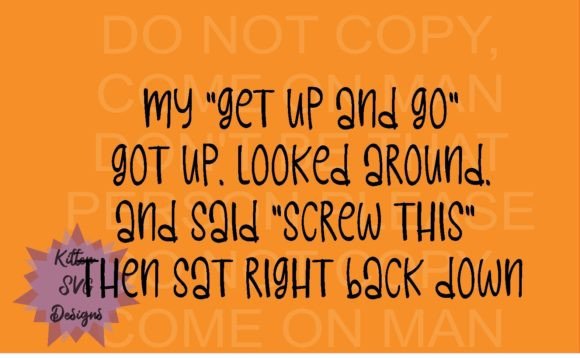
When I first saw Get Up and Go, I was struck by its bold, expressive character. It’s not a typical embroidery design—it feels more like a statement. The imagery is raw and honest, capturing the spirit of resilience in the face of chronic illness or pain. This isn’t just a graphic; it's an emotional anchor for those who wear it. The layout is simple but impactful, with clean lines and a focus on the central motif that makes it feel instantly recognizable.
The mood it creates is both empowering and relatable. It speaks to people who need a reminder to push through, and that kind of message can be powerful when stitched into fabric. I can see this design working well on items like tote bags, sweatshirts, or even baby onesies—projects where the message needs to be clear and heartfelt.
Real-World Application: A Custom Tote Bag Project
Let’s say I’m designing a custom embroidered tote bag for a small shop that sells handmade goods. Get Up and Go would fit perfectly here. The size and simplicity of the design make it ideal for a larger surface like a tote. I’d start by testing the design on scrap fabric to see how the stitch density plays out. I want to ensure that the detail remains crisp and that the stitching doesn’t look crowded or muddled.
I’d also consider the thread colors. Since the original design is in black and white, I might experiment with color variations to match different fabric tones. On a light-colored tote, the contrast would be strong and eye-catching. On a darker fabric, I might need to add a colored outline or use a satin stitch to bring the image forward.
One thing I’d watch out for is the hoop size. If I’m using a standard hoop, the design should fit comfortably without stretching. But if the design is too large, I might need to resize it slightly or split it into sections for multiple passes. That’s something I’d note before committing to a full project.
Where to Use Get Up and Go with Caution
Get Up and Go is versatile, but there are some scenarios where it might not shine as brightly. For instance, if I were making a patch for a cap or a hat, the curved surface could cause distortion. I’d need to adjust the design to account for the curve or choose a simpler version that adapts better to rounded shapes.
Another consideration is fabric texture. If I were using a stretchy fabric like jersey knit, I’d need to use a stabilizer to prevent puckering. Similarly, if the design has intricate details, such as small lettering or fine lines, I’d check whether they remain visible after stitching. Tiny elements can get lost in dense stitch areas, especially on thin or textured fabrics.
Also, while the design works well on light backgrounds, I’d test it on dark fabrics to see if the contrast still holds up. In some cases, a subtle change in color or adding a shadow effect might help the image stand out more clearly.
Design Impact on Visual Appeal and Product Value
The visual appeal of Get Up and Go is one of its strongest points. It adds personality and meaning to any embroidered product. Whether it’s a personalized gift or a commercial item sold on Etsy, the design brings a sense of authenticity and intentionality to the finished product.
From a customer perspective, seeing a design like this on a tote bag or sweatshirt can create an instant connection. People are drawn to messages that resonate with them personally, and this design does that well. It also helps build brand consistency if used across multiple products in a small shop or craft business.
For handmade sellers, using Get Up and Go can elevate their offerings from generic to meaningful. It adds value and gives customers something they can truly relate to. That kind of emotional resonance is hard to beat in the world of handmade and personalized items.
Practical Embroidery Designer Notes
If you're planning to use Get Up and Go in your next project, here are a few practical tips:
- Test on scrap fabric first to see how the design looks in real life.
- Check thread color contrast against your chosen fabric background.
- Review stitch density to avoid overcrowding or distortion.
- Confirm hoop size and adjust if necessary.
- Inspect small details to ensure they remain visible after stitching.
- Test in black and white mockups to see how it looks on different fabric tones.
- Use proper stabilizer for stretchy or thin fabrics.
- Check licensing before selling finished items or digital products.
These steps will help ensure that Get Up and Go translates well from screen to fabric, maintaining its integrity and impact in every project it’s used for.
Final Thoughts on Get Up and Go
In summary, Get Up and Go is a compelling machine embroidery design that brings emotion and meaning to any project. It’s well-suited for a range of applications—from personal gifts to boutique merchandise—but it’s important to approach it with a designer’s eye, considering fabric, stitch density, and placement carefully.
If you’re looking for a design that resonates on a deeper level and adds value to your handmade or commercial work, Get Up and Go is worth exploring. Just remember to test it thoroughly and adapt it to your specific needs. With the right approach, it can become a standout piece in your portfolio or store.