Fighting My Disability Embroidery Design Review
A First Look at the Mood and Visual Personality
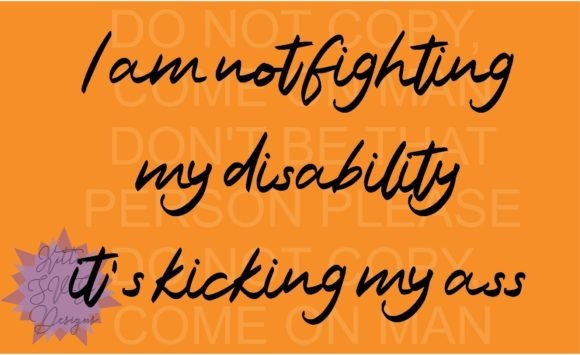
When I first opened the Fighting My Disability embroidery design file, it immediately struck me as a bold and emotionally resonant piece. The imagery communicates strength and resilience without being overly dramatic. It’s not just about pain or struggle—it’s about perseverance. The layout is clean, with a central motif that feels both powerful and personal. This kind of design naturally fits into projects that aim to tell a story, like personalized gifts or handmade products meant to inspire.
The level of detail is moderate, which makes it versatile for different embroidery techniques. It doesn’t have too many intricate elements that would challenge even an experienced embroiderer, but it still has enough character to stand out on fabric. I can see this design working well in a range of applications, from custom apparel to embroidered patches.
Real-Life Use: Custom Embroidered Tote Bag Scenario
Let’s imagine using Fighting My Disability on a custom embroidered tote bag. As someone who often creates branded merchandise for small businesses and Etsy sellers, I know how important visual impact is. This design would add a meaningful touch to a tote bag intended for a boutique or a wellness-focused brand. The message behind the design could resonate with customers looking for something unique and empowering.
However, I’d be cautious about placing it on very small surfaces. If you’re considering using it on a patch or cap, make sure the hoop size allows the full design to show without distortion. For larger items like tote bags or sweatshirts, the design has enough scale to look great when stitched with proper stabilizer and thread color choices.
I’d recommend testing the Fighting My Disability embroidery file on scrap fabric before committing to a final product. This will help ensure that the stitch density works well with your chosen fabric texture and that the colors translate accurately in real life.
Performance in Real Embroidery Projects
Fighting My Disability performs well in most standard embroidery applications. It looks particularly strong on cotton, canvas, and denim—fabrics that are commonly used in custom apparel, tote bags, and home decor items. On these materials, the design maintains its clarity and visual appeal.
For commercial embroidery projects, especially those targeting craft businesses or Etsy sellers, this design could be a valuable asset. Its theme aligns well with handmade products that focus on personal expression, such as personalized gifts, holiday embroidery, or boutique branding.
It also shows promise for baby embroidery items, like onesies or blankets, where the message of resilience and strength could be especially meaningful. However, if you plan to use it on stretchy fabrics like knits or thin materials, consider using a stabilizer to prevent distortion during stitching.
One thing to keep in mind is that Fighting My Disability may not be ideal for designs requiring dense stitch areas or tiny lettering. If you're planning to use it on a product that needs frequent washing, double-check that the stitch density won’t cause fraying over time.
Design Notes for Embroidery Professionals and Crafters
If you're an embroidery designer or a small shop owner considering Fighting My Disability for your product line, here are some practical tips:
- Test on Scrap Fabric: Always test the design on a sample before moving forward with a finished product. This helps identify any potential issues with stitch density or fabric compatibility.
- Check Thread Color Contrast: Ensure the thread colors used match the background fabric. Darker fabrics might require lighter thread to maintain visibility.
- Review Stitch Density: Be mindful of how the design interacts with different fabric textures. A higher stitch density may be needed for more detailed areas.
- Confirm Hoop Size: Make sure the hoop size you choose accommodates the entire design without stretching or distorting the image.
- Use Proper Stabilizer: Especially for delicate or stretchy fabrics, a good stabilizer can make all the difference in the final appearance.
- Inspect Small Details: If the design includes text or fine lines, check them closely to ensure they remain clear after stitching.
- Test in Black and White Mockups: This can help you see how the design will look on different colored backgrounds.
- Compare Light and Dark Fabrics: Some designs look better on light-colored fabric, while others work well on darker tones. Test both to find the best fit.
- Check Licensing Before Selling: If you're planning to sell finished products or digital files, confirm the licensing terms to avoid legal issues.
Fighting My Disability has a lot to offer, especially for those looking to create handmade products that carry emotional weight. Whether it's a custom apparel item, a personalized gift, or a boutique product, this design can add depth and meaning to your embroidery projects.
As a designer, I appreciate the balance between simplicity and symbolism in this piece. It’s a reminder that even in challenging times, there’s strength in expressing our true selves through creative outlets like embroidery.